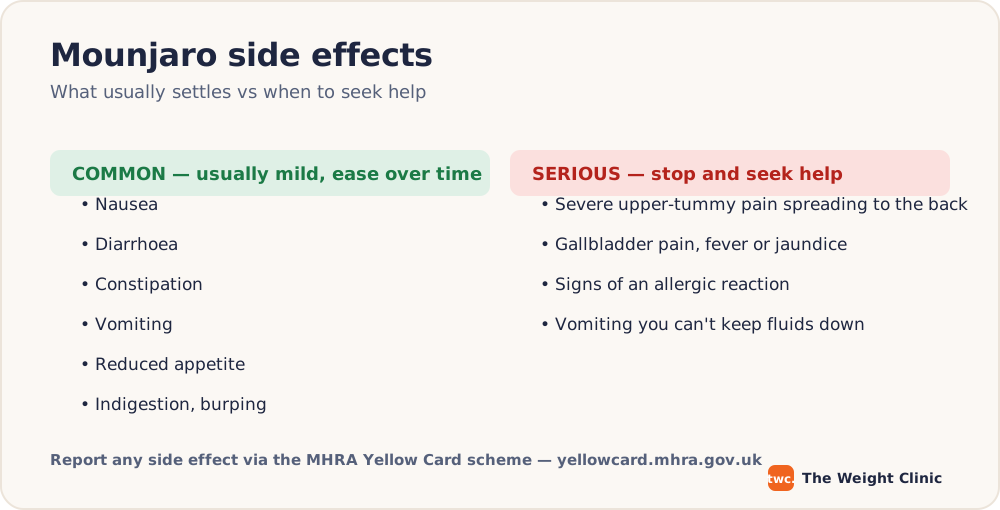
Most people who start Mounjaro (tirzepatide) get some side effects, and the great majority are mild-to-moderate digestive symptoms — nausea, an unsettled stomach, constipation or diarrhoea — that tend to be worst in the first days after a dose increase and then settle. They are a predictable consequence of how the medicine slows the stomach and changes appetite signalling, not a sign that something has gone wrong. A smaller number of people experience serious problems that need urgent attention, and knowing the difference is the whole point of this guide.
Below we walk through what is common, when it tends to happen, how to manage it at home, and the rare warning signs that mean you should stop and seek help. Mounjaro is a prescription-only medicine in the UK, supplied only after an online consultation and clinical assessment by a prescriber — so much of managing side effects well is about the plan your prescriber sets, not just what you do afterwards.
The most common Mounjaro side effects
The side effects listed in the manufacturer's Summary of Product Characteristics (SmPC) as very common (affecting more than 1 in 10 people) are gastrointestinal: nausea, diarrhoea, vomiting and constipation. Common effects (up to 1 in 10) include reduced appetite, indigestion, abdominal pain and injection-site reactions such as redness or itching. Other reported effects include burping, bloating, tiredness, dizziness and hair loss, which the SmPC lists at lower frequencies.
For most people these are manageable and fade as the body adjusts. Nausea is the one that catches people off guard: it often feels like early-pregnancy queasiness or travel sickness rather than dramatic sickness, and it is strongly linked to how much you eat in one sitting.
Why side effects follow the titration schedule
Mounjaro is not started at a full dose. UK prescribing follows a deliberate step-up (titration): you begin at 2.5mg once weekly for four weeks, then move to 5mg, with any further increase in 2.5mg steps no sooner than every four weeks, up to a maximum licensed dose of 15mg. That slow climb exists specifically to give your gut time to adapt and to keep side effects tolerable.
Because of this, side effects are not evenly spread across your journey. They typically cluster in the first week or two after each dose increase, then ease. If you understand that pattern, a rough few days after stepping up feels less alarming — and it tells you and your prescriber whether the next increase should wait.
| Stage | Typical dose | What people often notice | Usual trajectory |
|---|---|---|---|
| Weeks 1–4 | 2.5mg (starter) | Mild nausea, fullness, occasional constipation | Often the biggest adjustment; settles by week 3–4 for many |
| Weeks 5–8 | 5mg | Brief return of nausea after the step-up | Usually milder than the first month |
| Each later step | 7.5–15mg | A few unsettled days after each increase | Tends to fade within a week as the gut adapts |
| Steady on one dose | Any maintenance dose | Reduced appetite, occasional indigestion | Generally the calmest phase |
Individual experiences vary; some people sail through titration while others need to move more slowly.
How to manage the common effects
Most digestive side effects respond well to a few practical habits:
- Eat smaller portions and stop when full. Because Mounjaro slows stomach emptying, large meals are the single biggest trigger for nausea. Eat slowly and put the fork down early.
- Favour bland, lower-fat foods when queasy. Very rich, greasy or fried meals sit heavily. Plain carbohydrates, lean protein and cold or room-temperature foods (which have less smell) are gentler.
- Stay well hydrated. Sipping water through the day helps nausea and is essential if you have any vomiting or diarrhoea. Dehydration is a common, avoidable reason people feel dreadful.
- Tackle constipation early. Fibre, fluids, movement and, if needed, a pharmacist-recommended laxative usually keep things moving.
- Slow down, don't push through. If a dose step leaves you struggling, staying longer at your current dose before increasing is a legitimate, common adjustment. This is a conversation to have with your prescriber rather than a decision to make alone.
Alcohol, very large evening meals and skipping water tend to make everything worse — our guides on foods to avoid on Mounjaro and drinking alcohol on Mounjaro go into more detail.
Serious but rare side effects and red flags
A small number of Mounjaro side effects are serious and need prompt medical attention. These are uncommon, but you should know them before you start.
- Acute pancreatitis (inflammation of the pancreas). The classic sign is severe, persistent pain in the upper abdomen that often radiates through to the back, frequently with nausea and vomiting. This is not ordinary queasiness. Stop taking Mounjaro and seek urgent medical help.
- Gallbladder problems and gallstones. Rapid weight loss itself raises gallstone risk. Warning signs include pain in the upper-right abdomen, fever, jaundice (yellowing of the skin or eyes) or pale stools.
- Dehydration and kidney effects. Prolonged vomiting or diarrhoea can cause dehydration that occasionally affects the kidneys. Persistent, severe vomiting is a reason to get help rather than tough it out.
- Low blood sugar (hypoglycaemia). Uncommon on Mounjaro alone, but more likely if you also take insulin or a sulphonylurea — your prescriber may adjust those.
- Serious allergic reactions. Rare, but facial swelling, difficulty breathing or a widespread rash is a medical emergency — call 999.
Seek urgent care if you have: severe or unrelenting abdominal pain (especially spreading to your back), repeated vomiting where you can't keep fluids down, signs of an allergic reaction, or jaundice.
Who should not take Mounjaro
Mounjaro is not suitable for everyone. Key contraindications and cautions include pregnancy and breastfeeding (and it should be stopped before a planned pregnancy), and a personal or family history of medullary thyroid carcinoma or Multiple Endocrine Neoplasia syndrome type 2 (MEN2). It also needs careful assessment if you have a history of pancreatitis, gallbladder disease, severe gastrointestinal disease, or diabetic eye disease. This is exactly what a prescriber checks before approving treatment — and why buying tirzepatide without an assessment is never safe.
Report side effects: the Yellow Card scheme
If you experience a side effect, you can report it to the Medicines and Healthcare products Regulatory Agency (MHRA) through the Yellow Card scheme at yellowcard.mhra.gov.uk. Reporting — even for effects you think are already known — helps monitor the safety of newer medicines like tirzepatide. It doesn't replace contacting your prescriber or, in an emergency, urgent care.
How it works at The Weight Clinic
Because Mounjaro is prescription-only, treatment at The Weight Clinic starts with a free online consultation and a clinical assessment by a prescriber — not a shopping cart. Under the MHRA licence, a prescriber can consider treatment for adults with a BMI of 30 or above, or 27 or above alongside a weight-related condition such as high blood pressure. Our clinicians review your history, flag anything that makes treatment unsuitable, set your starting dose and titration plan, and stay reachable if side effects become difficult. Mounjaro starts from £160 per month, with no subscription and free eligibility checking.
If you'd like to know whether it's an option for you, check your eligibility — it takes a few minutes and there's no obligation to proceed.
How effective is Mounjaro?
Side effects are only half the picture; people take Mounjaro because it works. In the SURMOUNT-1 trial, adults taking the highest dose (15mg) alongside lifestyle changes lost on average around 22.5% of their body weight over 72 weeks. For comparison, semaglutide (Wegovy) achieved around 14.9% over 68 weeks in the STEP-1 trial. Results vary from person to person and depend on dose, diet and activity — these are trial averages, not promises. You can compare the two in our guide to Mounjaro vs Wegovy, read more on the Mounjaro treatment page, or explore all our weight-loss treatments.
The honest summary: expect some digestive side effects early, especially after each dose increase; manage them with smaller meals, hydration and patience; and know the small handful of red flags that mean it's time to stop and seek help. Handled well, most people find the common effects fade — and having a prescriber who set your plan and remains contactable makes the difference between a rough week and a reason to quit.
Frequently asked questions
What are the most common side effects of Mounjaro?
The most common are gastrointestinal. The SmPC lists nausea, diarrhoea, vomiting and constipation as very common (more than 1 in 10 people), with reduced appetite, indigestion, abdominal pain and injection-site reactions common (up to 1 in 10). These are usually mild-to-moderate, are worst in the first days after a dose increase, and tend to settle as your body adjusts. Report any side effects via the MHRA Yellow Card scheme at yellowcard.mhra.gov.uk.
How long do Mounjaro side effects last?
For most people, side effects cluster in the first week or two after starting or after each dose increase, then ease as the gut adapts. Because Mounjaro is titrated slowly — 2.5mg for four weeks, then 2.5mg steps no sooner than every four weeks up to a maximum of 15mg — a rough few days often follows each step-up. If symptoms don't settle, staying longer at your current dose before increasing is a common adjustment to discuss with your prescriber. Results and tolerability vary from person to person.
What are the serious warning signs to watch for on Mounjaro?
Rare but serious problems include acute pancreatitis — severe, persistent upper-abdominal pain that often radiates to the back, with nausea and vomiting — which means you should stop and seek urgent help. Also seek help for gallbladder problems (upper-right abdominal pain, fever, jaundice or pale stools), persistent vomiting you can't keep fluids down with, or signs of a serious allergic reaction such as facial swelling or difficulty breathing (call 999). Report side effects to the MHRA via yellowcard.mhra.gov.uk.
Who should not take Mounjaro?
Mounjaro is not suitable during pregnancy or breastfeeding, and should be stopped before a planned pregnancy. It is also contraindicated for people with a personal or family history of medullary thyroid carcinoma or Multiple Endocrine Neoplasia syndrome type 2 (MEN2). A history of pancreatitis, gallbladder disease, severe gastrointestinal disease or diabetic eye disease needs careful assessment. A prescriber checks all of this before approving treatment, which is why tirzepatide should only be used after a proper clinical assessment.
How can I reduce Mounjaro side effects?
Eat smaller portions and stop when full, since large meals are the biggest trigger for nausea. Favour bland, lower-fat foods when queasy, stay well hydrated, and tackle constipation early with fibre, fluids and movement. If a dose step leaves you struggling, don't push through — staying longer at your current dose is a legitimate option to raise with your prescriber. Alcohol and very large evening meals tend to make symptoms worse.